Transcript
00.00 - 00.21 [Zoe Cunningham]
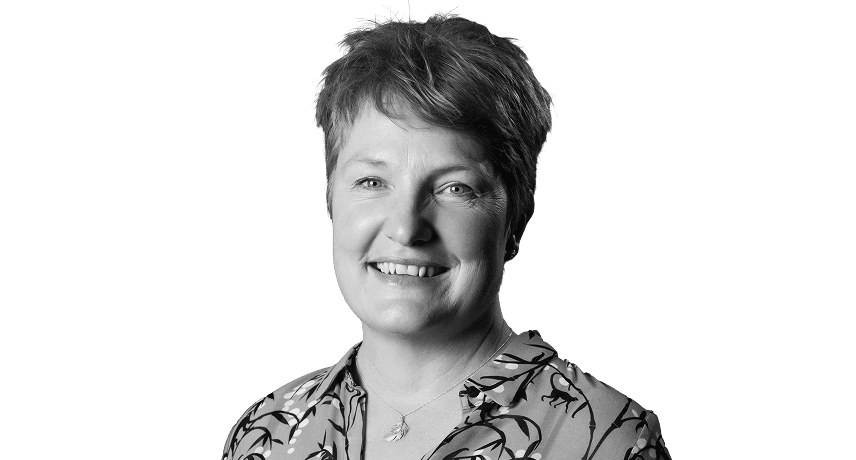
Hello, and welcome to The Digital Lighthouse, where we get inspiration from tech leaders to help us navigate the exciting and ever-evolving world of digital transformation. I'm Zoe Cunningham. We believe that meaningful conversations can illuminate the path forward, helping us to harness the power of technology for innovation, scalability, and sustainability.
00.21 - 00.49 [Zoe Cunningham]
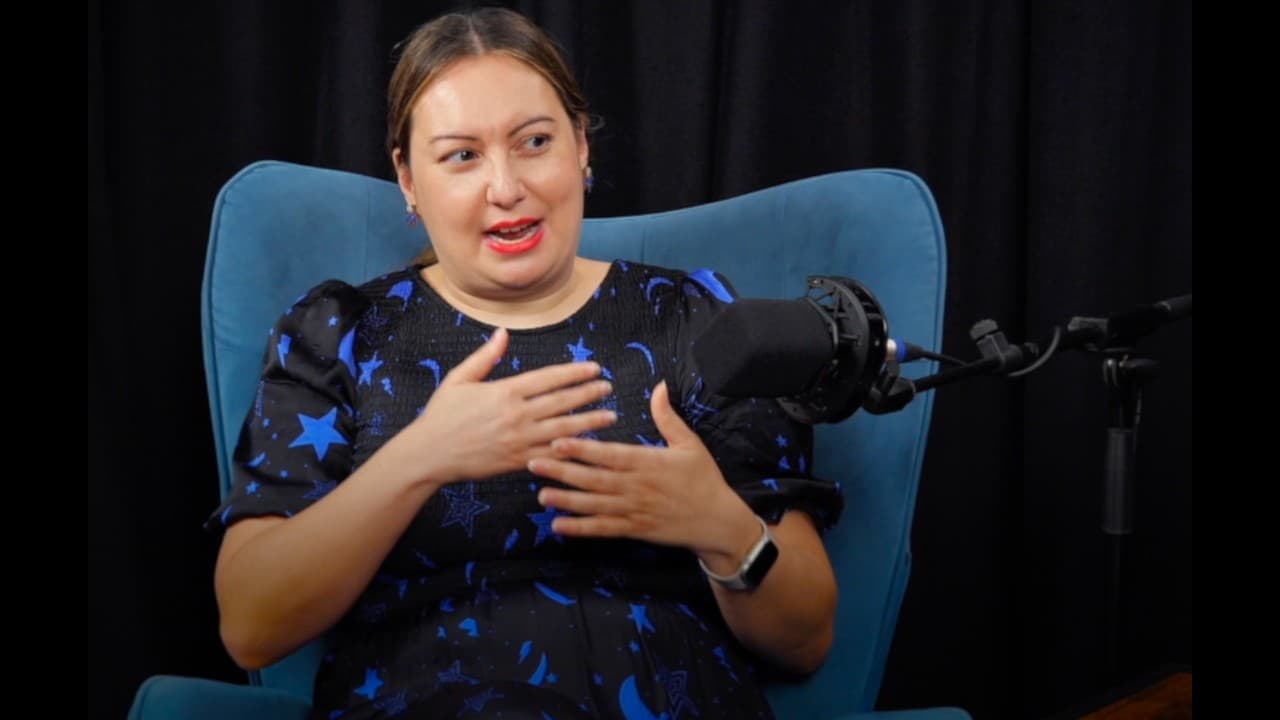
In this episode, I'm delighted to introduce Melinda Seckington, a leadership and engineering team coach. Melinda has a varied career history. She's been an engineering manager, a software engineer, a conference speaker, a tech event organizer, a blogger, and a startup founder. She now works with teams and individuals to help them share what they know, build their external reputation, and develop the skills to make it easier to hire, develop, support, and retain people.
00.50 - 01.08 [Zoe Cunningham]
In this episode, we'll be chatting about proactive leadership and delving into techniques leaders can use to prevent issues from arising rather than just dealing with things when they go wrong. On the way, we'll cover key skills like communication, relationships, and more. Melinda, welcome to The Digital Lighthouse.
01.08 - 01.09 [Melinda Seckington]
Thank you.
01.09 - 01.22 [Zoe Cunningham]
So, the way you describe your career is that you have lived a lot of lives, which I think is super cool. Can you share maybe some of those career high-- What do you think were the most formative points that got you to where you are today?
01.23 - 01.41 [Melinda Seckington]
Yeah. It's a weird career to look back on. I always call it a squiggly career. But I feel like it's not one of those careers that went from one role to the next. A lot of these things that I've done-
01.41 - 01.41 [Zoe Cunningham]
Yeah
01.41 - 01.50 [Melinda Seckington]
... have kind of happened alongside each other. So, one of the highlights was moving to London.
01.50 - 01.50 [Zoe Cunningham]
Okay.
01.50 - 02.32 [Melinda Seckington]
Back in 2007, I was studying in the Netherlands and got asked by my professor at the time if I wanted to move to London to finish my degree there. I took that opportunity, and I got massively distracted by everything that was going on in London. I got involved in the London tech community, started organizing events, started blogging. And I feel like that was really the start of what set me on the path for the rest of my career, I guess. So, my life would've been very different, I think, if I did not make that jump to London. So, that's definitely one of the major highlights.
02.32 - 02.33 [Zoe Cunningham]
Yes.
02.33 - 02.51 [Melinda Seckington]
So, a second career highlight for me was my time at FutureLearn. They're a social learning platform providing courses for students all across the world. And I joined as one of the first engineers back in 2013.
02.51 - 02.52 [Zoe Cunningham]
So, building the platform.
02.52 - 03.48 [Melinda Seckington]
Building the platform. So, really helping decide which direction things took, but also really helping set up the culture that we had there. And during my time there, I really saw the team grow from six engineers to 60 engineers, I think, by the time I left. I got an opportunity to manage people, but also lead all the teams' outreach and learning initiatives. And it was really a supportive and amazing group of people, really, that I got to work with every day. And I feel like it's in that team that I really found the skills that I was good at and the skills that maybe in other places necessarily wouldn't have been recognised like my event organizing and blogging and speaking. It's really in that place that that all got encouraged. I wouldn't be where I was if it wasn't for that team.
03.48 - 03.54 [Zoe Cunningham]
Yeah. So, you moved to London. You were like, "Oh, I like everything. I like doing everything."
03.54 - 03.54 [Melinda Seckington]
Yeah.
03.54 - 03.58 [Zoe Cunningham]
And then to find the place for that within an organisation.
03.58 - 03.59 [Melinda Seckington]
Yeah.
03.59 - 04.10 [Zoe Cunningham]
And actually, it sounds like learning at the same time, because I think small growing companies are fantastic. That's the kind of similar experience that I had, and I think they're fantastic places to learn-
04.10 - 04.11 [Melinda Seckington]
Yeah
04.11 - 04.22 [Zoe Cunningham]
... and to see challenges as you're like, "Oh, this is the challenge with 10 people. Oh, this is the challenge with 50 people. Oh, this is the challenge with 100 people." And you really kind of get to build your skills incrementally.
04.22 - 04.38 [Melinda Seckington]
Oh, yeah, definitely. A lot of it also was a little bit trial by fire, where it was like we are such a small team at the start, so you kind of need to wear different hats, try different things, see what works, and learn as the role and the job changes.
04.38 - 04.39 [Zoe Cunningham]
Mm-hmm.
04.39 - 04.41 [Melinda Seckington]
I learned a lot in that place.
04.41 - 04.49 [Zoe Cunningham]
All right. So, one of the things that you learned about was proactive leadership. So, what do you mean when you describe leadership as proactive?
04.51 - 04.57 [Melinda Seckington]
So, I think for me, it's first looking at the flip side of proactive leadership, which is reactive leadership.
04.57 - 04.58 [Zoe Cunningham]
Mm-hmm.
04.58 - 05.19 [Melinda Seckington]
Reactive leadership is very much when you kind of just let everything happen to you... kind of. So, you're constantly firefighting, you're just doing the one-on-ones but aren't really sure what you should be doing, and you're just kind of letting the meetings and the things that happen in your team kind of guide you, I guess.
05.19 - 05.21 [Zoe Cunningham]
Just being quite passive I guess.
05.21 - 05.53 [Melinda Seckington]
Yeah. So, proactive leadership, to me, is the opposite, where you're much more deliberate and intentional about how you lead and manage your team. So, the way I break it down for the teams that I work with is looking at it through three lenses, where proactiveness is made up out of awareness, intents, and action. So often when people tell other people that they need to be more proactive.
05.53 - 05.53 [Zoe Cunningham]
[chuckles]
05.53 - 06.07 [Melinda Seckington]
It kind of ends up being a bit wooly I think. So what I like to do is break it down into those three different aspects, because then it becomes much more easier to understand, well, what do you actually mean when-
06.07 - 06.08 [Zoe Cunningham]
Right. Where is the gap?
06.08 - 06.08 [Melinda Seckington]
Yeah.
06.08 - 06.10 [Zoe Cunningham]
What specifically are you talking about? And yeah.
06.10 - 06.43 [Melinda Seckington]
Yeah. 'Cause for some people, when they say, "Oh, you're not proactive," it's because they don't have the awareness of what is going on, or what could be changed, what needs to be fixed. So for some people, it's really about building up that awareness of the team and the challenges around them. For others, it tends to be more about the intent, so really making sure that they understand, once they've recognised what needs to be fixed or changed-
06.43 - 06.43 [Zoe Cunningham]
Yeah
06.43 - 07.31 [Melinda Seckington]
... what they can do about it. So looking at the different options that are available to them. How do they make decisions around that? What are the pros, the cons, the risks, the benefits? So intent, to me, is really that decision-making piece as to, are you making sure that you're collecting the information that you need to be proactive? And then the final bit is action. So actually taking action and being proactive, and I think that one is a mix of people not doing it because they're either maybe a bit jaded and things are stopping them from being proactive within the organisation that they're working at, or it's something to do with fear and confidence.
07.31 - 07.31 [Zoe Cunningham]
Mm.
07.31 - 07.41 [Melinda Seckington]
So they've gone through all the other phases, but they're just stopped at the final hurdle because they're not quite sure whether or not they should be doing this or whether or not it's the right idea. So-
07.41 - 07.43 [Zoe Cunningham]
Or what the repercussions will be, right-
07.43 - 07.43 [Melinda Seckington]
Yeah
07.43 - 07.47 [Zoe Cunningham]
... if they do take the actions that they kind of know they need to take.
07.47 - 08.02 [Melinda Seckington]
Exactly. So yeah, for me, proactive leadership is looking at leadership through those three lenses and making sure that people are taking the time to really reflect on what they're doing, and breaking it down into those different steps.
08.02 - 08.24 [Zoe Cunningham]
Yeah, it's really interesting as well because I think the meaning of some of those concepts changes as you rise through the kind of ranks of leadership as well, and action at senior leadership level, it very often is about communication rather than just about going out and doing something or fixing something yourself.
08.24 - 08.25 [Melinda Seckington]
Yeah.
08.25 - 08.30 [Zoe Cunningham]
And even communicating your intent, right, is so important as well.
08.30 - 08.30 [Melinda Seckington]
Yeah.
08.30 - 08.34 [Zoe Cunningham]
What kind of challenges do you see leaders having around communication?
08.34 - 08.36 [Melinda Seckington]
I think there are a lot of challenges around-
08.36 - 08.36 [Zoe Cunningham]
Yeah [chuckles]
08.36 - 08.37 [Melinda Seckington]
... communication, to be honest.
08.37 - 08.39 [Zoe Cunningham]
I know. I've had a lot. Yes.
08.39 - 09.24 [Melinda Seckington]
I think in part because it is such a broad term. It spans a lot of what we do as leaders. But also, when we're thinking about engineering leadership specifically, I think engineers are often told very early on in their careers, even maybe when they're kids, that communication isn't necessarily something that they need to care about. It's, I think, something that gets reinforced by TV and movies currently, where you're either analytical and logical and have a scientific mind, and you're not good at communication and thinking, well, and feeling and emotions-
09.24 - 09.25 [Zoe Cunningham]
And people stuff
09.25 - 09.25 [Melinda Seckington]
... the people side.
09.25 - 09.25 [Zoe Cunningham]
Yeah.
09.25 - 09.26 [Melinda Seckington]
Yeah.
09.26 - 09.26 [Zoe Cunningham]
Yeah.
09.26 - 09.41 [Melinda Seckington]
So it's very much reinforced that these are two separate things, that you need to choose between one or the other. I definitely feel like I, early on in my career, neglected my communication skills.
09.41 - 09.42 [Zoe Cunningham]
Mm.
09.42 - 10.11 [Melinda Seckington]
Where I just had this feeling of, "Oh, wait a minute, that's not really for me," or, "It's not something that I'm naturally good at so I shouldn't expect to get better at it." And I think that's a starting point first where people need to realise that communication skills are something that everyone needs to work on, regardless of whether or not you're a leader. The earlier on in your career you start working on it, the more useful you'll become-
10.11 - 10.11 [Zoe Cunningham]
Right
10.11 - 10.18 [Melinda Seckington]
... and the easier some of these leadership bits will get once you actually reach that level.
10.18 - 10.35 [Zoe Cunningham]
Absolutely, and I think we're kind of in danger of losing this knowledge all over again, with people saying, "Oh, well, AI does so much for us." Well, there is no one, right, who is working on their own, who doesn't need other people. We're all interconnected.
10.35 - 10.35 [Melinda Seckington]
Yeah.
10.35 - 10.40 [Zoe Cunningham]
So there's always people who are part of your team, or they're your customers, or they're people who are providing services to you.
10.40 - 11.08 [Melinda Seckington]
I think with AI specifically, though, it's actually showing that the communication skills are actually becoming more important. The need for communication has actually increased nowadays. There's the people that you need to be talking to on your team- that's even now more important than ever. But then there's also the fact that you need to be communicating to agents and other AI tools.
11.08 - 11.09 [Zoe Cunningham]
Right. Yeah.
11.09 - 11.18 [Melinda Seckington]
And that will get better if you are a better communicator. If you're able to get your message across in a succinct and effective manner-
11.18 - 11.19 [Zoe Cunningham]
Right
11.19 - 11.23 [Melinda Seckington]
... it will make the AI more effective, I believe.
11.23 - 11.29 [Zoe Cunningham]
Yeah. It's almost like people who had good communication skills already are now being rewarded more.
11.29 - 11.29 [Melinda Seckington]
Yeah.
11.29 - 11.34 [Zoe Cunningham]
It's like the people skills encroached on the engineering skills rather than the other way around.
11.34 - 11.49 [Melinda Seckington]
Yeah, definitely, and I think with AI doing more of the technical skills it's also forcing engineers to realise, "If I don't want to get behind the times, I do need to start improving my communication and collaboration skills here."
11.49 - 11.52 [Zoe Cunningham]
Mm. So times are changing [chuckles].
11.52 - 11.53 [Melinda Seckington]
Yeah.
11.53 - 12.20 [Zoe Cunningham]
What are the most important skills that people who are looking now to progress to the next leadership level, whether that's taking a leadership role for the first time or moving to lead a bigger team or stepping up to lead a whole organisation, what are the most important skills to ... prioritize? And I suppose, are they different at different levels?
12.20 - 12.32 [Melinda Seckington]
I think at the core, it's always the same just with slightly different context or different scenarios, different difficulty levels I would say.
12.32 - 12.33 [Zoe Cunningham]
Yeah.
12.33 - 13.14 [Melinda Seckington]
So for instance, I think giving feedback is one of the first skills that I would say any manager would need to learn if they haven't already. I feel like actually it's something most engineers should learn to just be able to give feedback to their peers. But I think as you grow through the different leadership levels, giving feedback becomes just not... At its core, it's the same set of skills that you need for it. But it could be that it becomes trickier because you're maybe having to give feedback to people where you've not done those roles before.
13.14 - 13.15 [Zoe Cunningham]
Right.
13.15 - 13.49 [Melinda Seckington]
Or you might need to be giving feedback to a fellow exec... where you might need to speak a different language basically to get your point across. So I think at its core it's the same skills, but that the impact and the way that you need to be considering those skills changes. But going back to your question of which skills, [chuckles] I would say, so yeah, giving feedback is one. Having difficult conversations, I think that applies-
13.49 - 13.49 [Zoe Cunningham]
Yeah
13.49 - 13.58 [Melinda Seckington]
... no matter what level you're at. It's just going to vary how tricky the conversation is and with who. Building buy-in for ideas...
13.58 - 14.00 [Zoe Cunningham]
And perhaps how often.
14.00 - 14.00 [Melinda Seckington]
Yes.
14.00 - 14.01 [Zoe Cunningham]
[laughs]
14.01 - 14.07 [Melinda Seckington]
I definitely feel like the further I went in my career, the more difficult conversations I ended up having.
14.07 - 14.08 [Zoe Cunningham]
Yeah.
14.08 - 14.34 [Melinda Seckington]
I think early on, the difficult conversations end up being more about technical disagreements and stuff like that. Later on, it becomes much more about people and their identity sometimes as to, especially if you're having a difficult conversation about performance management or giving feedback or anything like that, it becomes a much more, yeah, tricky situation I would say.
14.34 - 15.18 [Melinda Seckington]
Getting buy-in is another skill that I think is really important for leaders to have. Again, that changes as you progress through those different levels. Sometimes it's going to be much more about getting buy-in from your team, where it's inward facing. Other times it's going to be from your peers or from above. And again, it changes who you are talking to as to how you need to adapt your messaging. Or let's say if you're trying to get buy-in from external people so clients or potential clients or potential new hires - it's a different type of buy-in and messaging that you're trying to get across.
15.18 - 15.46 [Melinda Seckington]
But at its core, you're asking yourself the same type of questions, I believe. You're always asking yourself, who am I talking to? What do I know about them? What is my goal? And how do I get that goal across? And I think those things apply for a lot of these types of communication skills that we put into different buckets. But in reality, it's always about asking those same type of questions.
15.46 - 15.58 [Zoe Cunningham]
So actually what you're saying is that it sounds like it's a lot of skills. [chuckles] And I know I felt that it was like, "Oh my God, I've got to learn all these things," but actually you're saying there's a lot of commonality if you break it down at the core.
15.58 - 16.58 [Melinda Seckington]
I think there's a lot of commonality if you break it down, but it's also not completely new skills for engineers. A lot of people often forget that we already ask really good questions. We already know how to break down problems into different steps. We take the time to reflect on those problems and really consider what are the different options available to us. And I think most leaders when they first get promoted into these roles, they often assume it's a completely new set of skills, while in reality, I think they should be relying on the skills that they have already, and lean more into those, where it's like, okay, you previously were asking good questions, breaking down problems. Now how do you apply that to this really tricky situation that you're coming across?
16.58 - 17.00 [Zoe Cunningham]
Right. Rather than throwing it away and trying-
17.00 - 17.00 [Melinda Seckington]
Yeah
17.00 - 17.01 [Zoe Cunningham]
... something totally new.
17.01 - 17.09 [Melinda Seckington]
Or kind of assuming that, okay, I need to start from scratch here. I need to learn a completely new set of skills.
17.09 - 17.34 [Zoe Cunningham]
Yeah. Amazing. And you were talking there about getting buy-in and how who you need to get buy-in from changes as you become more senior. Have you got any tips on how to recognise all of the stakeholders? Because actually, again, as the environment gets more complex, the number of, and types of stakeholders, I think that's increasing as well. And we've all got limited time.
17.34 - 17.41 [Melinda Seckington]
Yeah. I think this is, again, mapping it to what we were doing as engineers.
17.41 - 17.41 [Zoe Cunningham]
Mm. Cool.
17.41 - 18.14 [Melinda Seckington]
For me, the first step of this is systems thinking in a way. It's about understanding how does this system, which is my organisation actually work? What are the different pieces here? Who knows who? What information is flowing currently through that system? And can I build up a picture of how this all relates to each other? So I think that's the first step, is that element of how do I know what the moving parts are.
18.14 - 18.15 [Zoe Cunningham]
Yeah.
18.15 - 18.20 [Melinda Seckington]
And then actually starting with having conversations with all-
18.20 - 18.21 [Zoe Cunningham]
Right. Yeah
18.21 - 18.45 [Melinda Seckington]
... those people, actually getting to know them and understand how do they relate to the role that you have and the things that you're trying to do. And then be a bit systematic about, well, what does that mean for me and the goals and outcomes that I'm looking for? And which of these people do I need to speak to more regularly?
18.45 - 18.46 [Zoe Cunningham]
Mm-hmm.
18.46 - 19.09 [Melinda Seckington]
What information do I need from them and they need from me for the system to work, basically. Which I think is easier said than done. But again, I think if you break it down into that type of problem, it becomes easier to make a plan and break down as to how you can accomplish it.
19.09 - 19.09 [Zoe Cunningham]
Right.
19.09 - 19.11 [Melinda Seckington]
We do the same thing when we come across a new code base.
19.11 - 19.11 [Zoe Cunningham]
Yeah.
19.11 - 19.18 [Melinda Seckington]
We start reading up on all the different parts, figuring out where the pain points are.
19.18 - 19.19 [Zoe Cunningham]
Mapping it out. Yeah.
19.19 - 19.22 [Melinda Seckington]
Mapping it out, yeah. And the same is just true for organisations as well.
19.22 - 20.02 [Zoe Cunningham]
Yeah. Brilliant. I love it. Building on that further, or perhaps trying to think still about this constant pressure of time efficiency, because we're all being asked to do more and more with fewer and fewer resources, the biggest of which I think often is time. What advice do you have for approaching that environment and how can we, not just survive, I guess, but what behaviors can we choose to adopt to help us thrive and say, "Okay. We're going to deliver as we've always delivered, and we're going to do it better."
20.02 - 20.08 [Melinda Seckington]
I think to me, the most important thing is take the time to go slow first.
20.08 - 20.09 [Zoe Cunningham]
Go slow to go fast.
20.09 - 21.11 [Melinda Seckington]
Yeah. I always forget whose tagline that actually is. But I feel like a lot of people don't do that and then run into trouble later on down the line because they've not taken that time to think things through or train up someone else, or delegate something. And when things get really busy and hectic, that's not the time really to do that type of stuff. So I think the first thing is really put those foundations in place. Take the time to reflect on how you want to be solving some of these challenges. Look at things like training up people, delegating, figuring out what you need someone external for all of that type of stuff, but all with that aim of moving faster in the end. Because otherwise, we are just going to try and do it all and eventually burn out and not do anything.
21.11 - 21.11 [Zoe Cunningham]
Yeah.
21.11 - 21.15 [Melinda Seckington]
So yeah, my main advice would be to take it slow first.
21.15 - 21.20 [Zoe Cunningham]
Amazing. I love it. And I really feel like we've just circled right round back to proactive leadership, right?
21.20 - 21.21 [Melinda Seckington]
Yeah.
21.21 - 21.30 [Zoe Cunningham]
That starting at the beginning, and where are you going and why and... and spending time on that before you end up just putting out fires all the time.
21.30 - 21.32 [Melinda Seckington]
Yeah, exactly.
21.32 - 21.38 [Zoe Cunningham]
Oh, well this has been such an interesting chat. Thank you so much, Melinda, for joining me and helping us to shine a light for others.
21.38 - 21.39 [Melinda Seckington]
Thank you for inviting me.
21.39 - 21.56 [Zoe Cunningham]
[upbeat music] This Digital Lighthouse episode was edited by Steve Folland and produced by Patrick Anderson. The theme music was written and recorded by Ben Baylow. A huge thanks to our sponsor, Softwire, for their continuing support from the inception of the show in 2019 to the present day.
21.56 - 22.15 [Zoe Cunningham]
If you love the podcast, please let us know with a rating and review on your platform of choice. We're always looking for feedback to ensure we're making the best show possible. And if you'd like to take part, please drop us a line at thedigitallighthouse@softwire.com.
22.15 - 22.38 [Zoe Cunningham]
You've been listening to The Digital Lighthouse with me, Zoe Cunningham. Thank you so much for sharing your time with us and stay safe on this wild technological ride that we're all on. [upbeat music]