Transcript
00.00 - 00.21 [Zoe Cunningham]
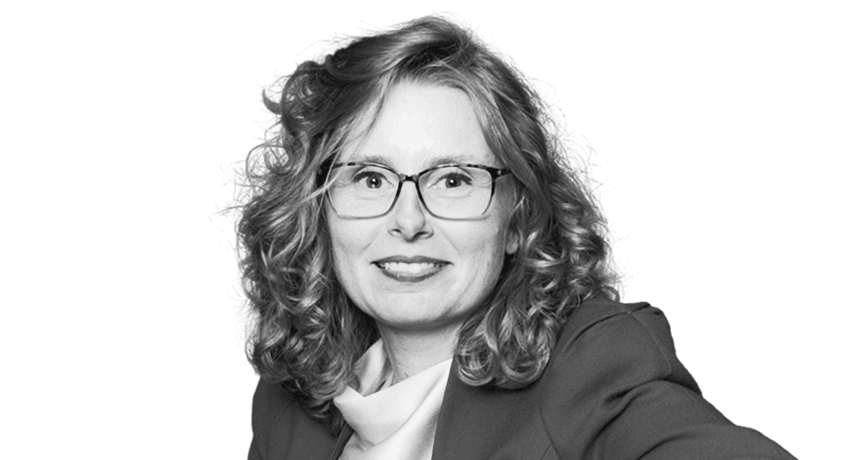
Hello, and welcome to the Digital Lighthouse, where we get inspiration from tech leaders to help us navigate the exciting and ever-evolving world of digital transformation. I'm Zoe Cunningham. We believe that meaningful conversations can illuminate the path forward, helping us to harness the power of technology for innovation, scalability, and sustainability.
00.22 - 01.15 [Zoe Cunningham]
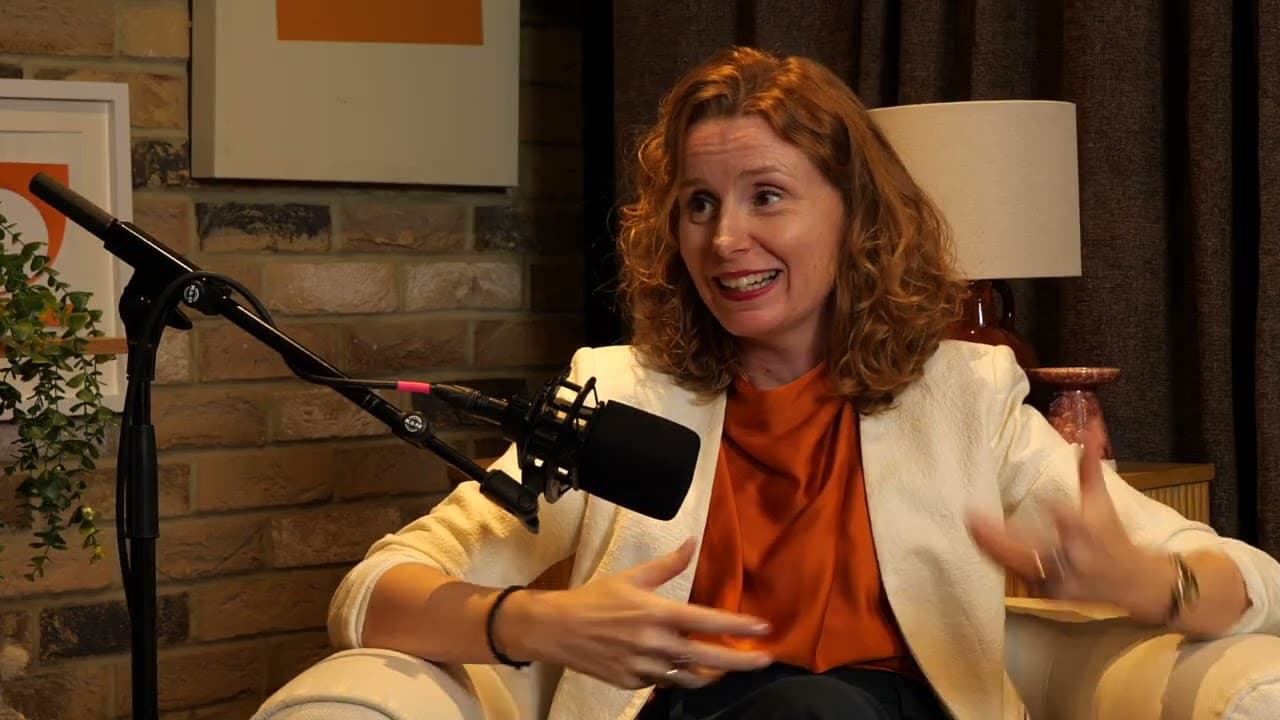
In this episode, I'm delighted to introduce Philippa Shellard, a senior business analyst at Transport for Greater Manchester. She works across programs in the ticketing team, which is responsible for all technology and processes involved with tickets. She's been involved in various projects, as well as supporting the business-as-usual arm of ticketing. She is most interested in user-centered design and product management, particularly in how that works in a transport setting. In this episode, we'll be talking about how a major digital innovation in transportation that Transport for Greater Manchester undertook, and we'll learn from Philippa's experience being the first and managing this watershed project amid such a complex environment. Philippa, welcome to the Digital Lighthouse.
01.15 - 01.16 [Philippa Shellard]
Thank you very much.
01.17 - 01.24 [Zoe Cunningham]
Can you tell me a bit about your personal journey, so kind of how you got to where you are today and then the role that you're doing at the moment?
01.25 - 01.43 [Philippa Shellard]
Yeah, sure. So, I actually started off being a scientist, and I left academia in about 2017. And to be honest, at that point, wasn't really sure what I was going to do. So, I applied for various different grad jobs, and I ended up working at Accenture.
01.44 - 01.44 [Zoe Cunningham]
Mm-hmm.
01.44 - 01.58 [Philippa Shellard]
So for people that don't know, they're a global consultancy firm, work with different clients, and they have teams that sort of work on various different projects. So, that was where I was first exposed to the BA role.
01.58 - 01.59 [Zoe Cunningham]
Yeah.
01.59 - 02.49 [Philippa Shellard]
And actually, in hindsight, there's quite a lot of similarities between doing science and being a BA. So you've got lots of complex problems that you've got to try and solve. You've got to look at different solutions, do a lot of analysis. So, I think the jobs kind of match each other quite well, really. So I worked there for about two years, various different projects across finance, public service, and then I wanted something that was more based in Manchester, which is where I'm from. So, I then went to work for a consultancy in Manchester called Magnetic North, who focus quite a lot on user experience. So, I expanded my skill set into that sort of area, which was really great. Learned a lot about design thinking and stuff like that.
02.50 - 03.27 [Philippa Shellard]
And then after that, I went to work at the DWP, which was actually one of the projects I'd done at Accenture, and I really enjoyed it. So, I went there, and that's where I got my first senior BA role. I was working in the fraud, error, and debt area. So, worked there for a few years and wasn't really looking for anything new, but you just kind of browse here and there, and I saw a vacancy come up at TfGM. And being someone that lives in Manchester, uses public transport and stuff, it really appealed to me to work on something that I would directly see affecting me.
03.27 - 03.27 [Zoe Cunningham]
Yeah.
03.28 - 04.45 [Philippa Shellard]
So, applied for the senior BA role there and obviously was successful. And I joined TfGM at quite a crazy time, really. It was just as we were going through the first tranche of bus franchising, so it was pretty manic. But I think what that enabled me to do was kind of hit the ground running, get used to a new sector. The transport sector's very specific, so gave me a really good chance to kind of get to grips with all the different technology and all the processes and everything that kind of encompasses transport. And I work in the ticketing team, so we deal with anything to do with selling or using a ticket. So, as you can imagine, most of the projects that we do at TfGM involve a ticket in some way, shape, or form. And I've been at TfGM for three years now and have had the opportunity to do loads of really good projects, as well as working in the sort of BAU space as well, so business as usual, just keeping the lights on. And yeah, as I said, it's just really great to work somewhere that you can see the changes out on the network. You can see the yellow buses and things like that. So it's really great. It's a great place to work.
04.45 - 04.57 [Zoe Cunningham]
Yeah. Well, I totally get how excited you could have got about being like, "Oh, I can work on transport," and particularly in ticketing, because I can remember when I started commuting in London.
04.58 - 04.58 [Philippa Shellard]
Yeah.
04.58 - 05.33 [Zoe Cunningham]
And in those days, to buy a season ticket, you had to write it down on a piece of paper that they kept at the station. And then if you bought your season ticket at a new station, they had to fill out all your details in a new form again. And I was working in tech, and I was thinking, "There's definitely a better way to do it." Like, how come no one's improved this system? And obviously, we've come a long way from that now, but there's still so many, all of these systems that have been in place and have been working, and there's so many different stakeholders. So, where do you even kind of start?
05.34 - 06.14 [Philippa Shellard]
Yeah, it's a really good question. The temptation is to kind of look straight at the technology and say, "We've got these legacy systems. We need to replace them," and things like that. But in my experience anyway, focusing on the technology first and foremost isn't the right way to do it. So, what we tend to look at at TfGM is, what are the problems we're trying to solve for customers? So, it's very easy to say, "Let's get rid of this legacy system and replace it with something." But it's appreciating that those legacy systems are there for a reason, so they support customer journeys or business processes that have built up over time.
06.14 - 06.14 [Zoe Cunningham]
Yeah.
06.14 - 06.43 [Philippa Shellard]
So you need to kind of understand that whole ecosystem before you start changing anything, because they've often been built on to kind of address different problems, different needs. So we really try and focus on what are we trying to do for the customers. So they don't really care about what technology we use. There's lots of exciting technology that's released often in the transport world, but for customers it's, "How can I get from A to B?"
06.44 - 06.45 [Zoe Cunningham]
Yeah.
06.45 - 07.09 [Philippa Shellard]
And trying to take away the pain of them having to decide what to do or what ticket they should try and do, or "I have to go here and I have to do this," to try and make that as simple as possible for them. So we try and really focus on that. I think the other thing to consider is, as you alluded to, is we've got so many different stakeholders and groups that we need to involve as well.
07.09 - 07.09 [Zoe Cunningham]
Yeah.
07.09 - 07.27 [Philippa Shellard]
So not only customers, but we've got our customer services, we've got operators, bus drivers, revenue inspectors. So they've all got different perspectives, different things that are important to them. So I think it's trying to bring everyone along on that journey as well-
07.27 - 07.27 [Zoe Cunningham]
Yeah
07.27 - 08.01 [Philippa Shellard]
... and consider not only the change in technology, but what that means for processes, what it means even from a perspective of customers. If we change something, part of the battle is actually getting customers to understand that and be confident with it. So the technology is one thing, but in a lot of projects, quite a lot of the work is actually, how do we communicate with customers? How do we make them understand how to use this technology? And at every point, it's like, how can we make their lives easier?
08.01 - 08.01 [Zoe Cunningham]
Mm-hmm.
08.01 - 08.29 [Philippa Shellard]
So I think if you try and change everything at once, obviously it's really risky. So we try and just focus on incremental value for customers. So, change something, show that it's been valuable, and then kind of tackle bigger and bigger problems, really. And I think the other thing to consider as well is that as a transport authority, we have people that are digitally enabled, but we also have people that don't have access to that technology as well.
08.29 - 08.29 [Zoe Cunningham]
Right.
08.30 - 09.02 [Philippa Shellard]
So quite a lot of the work we do is with our ED&I team, equality, diversity, and inclusion. So every project we do, we have to look at different groups of people and say, "How do we incorporate their experience as well?" So there will still be legacy systems that have to be in place because some customers don't have the opportunity to use the new technology. So there will be things that still remain for quite a while, albeit at a lesser level. But we have to... we have to kind of consider that as well.
09.03 - 09.27 [Zoe Cunningham]
I just want to kind of, you know, full disclosure for the audience, you actually work with Softwire to deliver the project that we're about to discuss. And I think it's kind of worth just touching on that first. So you've already got this huge challenge that we've talked about with all of these stakeholders. It kind of seems that adding an outsourcing supplier is going to add unnecessary friction and stress-
09.27 - 09.27 [Philippa Shellard]
Mm-hmm
09.27 - 09.37 [Zoe Cunningham]
... into that mix. So what did you need to do as TfGM to select and work with the supplier in order to get such a successful outcome?
09.38 - 09.44 [Philippa Shellard]
Yeah, it's important to kind of acknowledge that working with a supplier can bring challenges.
09.44 - 09.44 [Zoe Cunningham]
Mm-hmm.
09.44 - 09.54 [Philippa Shellard]
Particularly from the outset, it's questions about how decisions are made, how we prioritize, how we share knowledge, even things like what tools we use.
09.55 - 09.55 [Zoe Cunningham]
Yeah.
09.56 - 11.15 [Philippa Shellard]
Because TfGM is quite restricted in that way, so we only have a certain set of things that are supported. And I think there's all the things about commercials, governance, and stuff like that, that can sometimes slow things down. But I think one of the important things is to find a supplier that works with your way of working well. And definitely with Softwire, one of the things we worked to do pretty early on was not have a sort of us and them mindset, so supplier and TfGM, but actually trying to work as one team. So the way that we work with Softwire is we are like one team. We go to stand-ups every day. We work with each other day-to-day. We found tooling to work together, even though it might not be what we'd both choose as our preferred tool. And I think just fostering that sort of shared goals, we've both essentially got the customer at the heart of it. So yeah, there are obstacles to overcome in terms of getting work scoped out and stuff. Some of the ways of working we try and foster is kind of co-creating. But sometimes that can be at odds with writing a statement of work where you've got to say-
11.16 - 11.16 [Zoe Cunningham]
Right.
11.16 - 11.41 [Philippa Shellard]
... "We're going to deliver all these things and it's going to cost this much." It's still a journey, but I think we're working to kind of improve that. And I think we work really well together. Softwire brings loads of expertise, but also are really motivated to work in that way, to co-create and things like that. And the team are really lovely as well, which helps and isn't always guaranteed as well.
11.41 - 11.43 [Zoe Cunningham]
Yeah. Right.
11.43 - 12.09 [Philippa Shellard]
So yeah, it can bring some challenges to it, but I think the way that we've worked with Softwire, and we're still sort of like learning and trying to improve that, but we definitely feel more like we're one team rather than- ... a supplier and then TfGM. And I think moving away from a relationship where you go, "Right, supplier, we've got all these requirements. Go and do it."
12.09 - 12.09 [Zoe Cunningham]
Yeah.
12.09 - 12.31 [Philippa Shellard]
And actually working towards going, "Yes, we have an idea of what we want to do, but actually let's use all the expertise from both sides and kind of work on that together." And it does mean sometimes that things drop out or might change a bit, and that, I suppose, is like a governance problem. But I think on the whole, we've made it work really well.
12.31 - 12.36 [Zoe Cunningham]
Yeah, that's actually a really good way of putting it, that it's actually kind of about remembering that we're all people.
12.37 - 12.38 [Philippa Shellard]
Yeah, exactly.
12.38 - 12.47 [Zoe Cunningham]
And just, you know, who you're employed by isn't necessarily the defining, or doesn't have to be if, like you say, you have user needs and end objective in mind.
12.47 - 12.49 [Philippa Shellard]
Yeah. And it's just being aligned around that goal.
12.49 - 12.49 [Zoe Cunningham]
Mm-hmm.
12.49 - 13.01 [Philippa Shellard]
And I think that's where it works, is like everyone knows what we're trying to do and what problems we're trying to solve. And if we keep that sort of in the forefront of our minds, we can do some great work, which we have done.
13.01 - 13.15 [Zoe Cunningham]
All right. Well, let's talk about that great work. So, you've successfully delivered a new travel app known as the digital Our Pass. So tell me about... Well, tell me everything about the project, like highs, lows, how you got started. Yeah.
13.15 - 13.40 [Philippa Shellard]
Yeah. So Our Pass is a 16 to 18 entitlement for Greater Manchester residents. So they get free bus travel and half-price tram travel. So it's been in place for quite a few years. And as I mentioned before, we do quite a lot of outreach with different groups of people. And what kept coming up as a theme was that the young people kind of expect everything to be digital.
13.41 - 13.41 [Zoe Cunningham]
Mm-hmm.
13.41 - 13.51 [Philippa Shellard]
So it felt strange to them that their travel element was on a plastic card, which they use every day- ... where most of the other things they have are on their phone.
13.51 - 13.52 [Zoe Cunningham]
Mm-hmm.
13.52 - 14.25 [Philippa Shellard]
So that's sort of where the project came from. So when we were sort of looking into that problem, we wanted to explore, well, what can we do? Like, where can we go with this? We did a lot of work, again, with Softwire, with TfGM, and with our customer service colleagues. We did some design sprints to kind of look at, okay, what is the experience like at the moment for both applying for and using an Our Pass, and then worked together to kind of create a bit of a straw man for what it could look like.
14.25 - 14.26 [Zoe Cunningham]
Mm-hmm.
14.26 - 14.32 [Philippa Shellard]
One of the great things we did as part of that is involved those young people all the way through it.
14.32 - 14.33 [Zoe Cunningham]
Okay, yeah. Yeah.
14.34 - 14.58 [Philippa Shellard]
So with the design expertise from Softwire, we created some designs which we then tested with users, got feedback, made amendments to. And then when we were sort of confident with that journey, we started to implement it in the Bee Network app, which we created in time for bus franchising. So it was like another additional feature onto the capabilities of the Bee Network app.
14.59 - 15.21 [Philippa Shellard]
But one of the other things, as I mentioned before, was like there's so many other parts to it than just the technology. So we have the customer service elements. We had to do quite a lot of work figuring out what do we need to do to support young people while they're applying and using their Our Pass. So what's the application review process like? What happens if they lose their phone?
15.22 - 15.22 [Zoe Cunningham]
Mm-hmm.
15.22 - 15.30 [Philippa Shellard]
So all those sort of considerations we had to consider as well as the journey for the end customer.
15.30 - 15.33 [Zoe Cunningham]
Well, I've actually got a question that I really want to ask.
15.33 - 15.33 [Philippa Shellard]
Yeah.
15.33 - 15.38 [Zoe Cunningham]
Because I always think about it whenever... because I use my phone wherever I can.
15.39 - 15.39 [Philippa Shellard]
Yeah.
15.39 - 15.53 [Zoe Cunningham]
And in London, obviously, you can use it to buy tickets on the tube. But what happens if your phone dies halfway through? So if a young person's on a journey and then they can no longer... You know, they could use their-
15.54 - 15.54 [Philippa Shellard]
Yeah
15.54 - 15.58 [Zoe Cunningham]
... pass digitally, but then they can no longer. Is that something you solved for?
15.59 - 16.03 [Philippa Shellard]
Yeah, so that was definitely something that when we spoke to young people, they were concerned about.
16.03 - 16.04 [Zoe Cunningham]
Mm.
16.04 - 16.24 [Philippa Shellard]
So yeah, when we first did the Digital Our Pass, we delivered it via QR code. So it was QR code ticket, like a lot of the other Bee Network app tickets. But obviously, the limitation of that is exactly what you've said. So if they run out of battery, they can't show their ticket. They haven't got a valid travel ticket.
16.24 - 16.24 [Zoe Cunningham]
Yeah.
16.24 - 16.47 [Philippa Shellard]
So that kind of leads us into the next part of the project, which was working with Apple to try and add that ticket to a customer's wallet. So if they were inspected, they still need to show their pass ID, which is in the app, but they can still travel now on the readers without having battery on their phone.
16.47 - 16.48 [Zoe Cunningham]
Right.
16.48 - 16.57 [Philippa Shellard]
So I don't know if you've used express mode in London. You can put your phone on the reader when you're using contactless, and it just scans.
16.57 - 16.57 [Zoe Cunningham]
Amazing.
16.57 - 17.00 [Philippa Shellard]
So you can do that without having battery on your phone.
17.00 - 17.00 [Zoe Cunningham]
Cool!
17.00 - 17.20 [Philippa Shellard]
So yeah, so that was like sort of the second stage of our project. So the first thing was get it working, get a ticket that we can deliver, and then the next bit was like, how can we make it better? But it still is a challenge, I think, particularly when it comes to inspection, because you've still got to show your ID, whereas previously you'd have your physical card-
17.20 - 17.21 [Zoe Cunningham]
Exactly
17.21 - 17.35 [Philippa Shellard]
... which doesn't run out of battery. So yeah, there are challenges with introducing technology and digital solutions, which we have to be aware of. And we've talked about things like, do we need to provide power banks as part of stuff?
17.35 - 17.35 [Zoe Cunningham]
Mm.
17.35 - 17.43 [Philippa Shellard]
You know, there's all those considerations. A lot of the buses now have charging points on them. So if you've got a cable, you can charge your phone there.
17.44 - 17.49 [Zoe Cunningham]
Brilliant. Or you could even give them to the ticket inspectors, couldn't you, in case anyone's using it as a ruse.
17.50 - 17.52 [Philippa Shellard]
Yeah, yeah.
17.52 - 18.11 [Zoe Cunningham]
Well, you mentioned there working with Apple, and I think it's perhaps worth having a bit of a chat about what's that experience like. Because obviously someone like Apple is so big and their technology is used in so many places. Is that different to work with Apple versus working with a more regular supplier?
18.11 - 18.27 [Philippa Shellard]
Yeah, yeah. It's a good point, actually. Yeah, I think the way we work with Apple is more like a partnership. So whereas, again, as I've said before, you might you know write some requirements and then the supplier will go and build that thing.
18.27 - 18.28 [Zoe Cunningham]
Yeah.
18.29 - 18.48 [Philippa Shellard]
Apple's focus is obviously global, so you know, making solutions that work at scale, that work across loads of different places with different sets of people. So their focus is obviously, like, consistency, having that experience that we all recognize as Apple, really seamless and stuff like that.
18.48 - 18.49 [Zoe Cunningham]
Yeah.
18.49 - 18.53 [Philippa Shellard]
And then us at TfGM, we're very concerned with, like, our corner of the world-
18.53 - 18.53 [Zoe Cunningham]
Right.
18.54 - 18.55 [Philippa Shellard]
... and the needs of the people in Manchester.
18.55 - 18.56 [Zoe Cunningham]
Yeah.
18.56 - 19.46 [Philippa Shellard]
And you know, we've got specific processes, and even the way our app works is probably different to other authorities as well. So it's kind of the balance between the two. So it's quite interesting, and we've learned, I think, quite a lot from Apple in that way, that what creates that really consistent experience is you know, a set of guidelines, and they're quite strict on, like, how things work, which is really great, and it shows everyone recognizes Apple in that way. But it was also trying to find parts of that that were more specific to Manchester. So you know, our app works in a certain way, but we've also got some customer service elements to it that maybe other authorities don't have. So it's finding the balance between those two things, I think.
19.46 - 19.49 [Zoe Cunningham]
Yeah. Yeah. Making sure that it does deliver what you want rather than-
19.49 - 19.50 [Philippa Shellard]
Yeah. Yeah, exactly
19.50 - 19.52 [Zoe Cunningham]
... just seeming to deliver, you know?
19.52 - 19.58 [Philippa Shellard]
Yeah, but then the balance of that versus doing something that's completely bespoke for every single authority would just-
19.58 - 19.58 [Zoe Cunningham]
Mm
19.58 - 20.01 [Philippa Shellard]
... it would go against the sort of consistency-
20.01 - 20.01 [Zoe Cunningham]
Yeah
20.01 - 20.40 [Philippa Shellard]
... experience. But I think some of the really interesting things were, from my perspective, even like the marketing for Apple is so specific and, you know, we all see it, but appreciating how much actually goes into that to make it look so slick and stuff like that. It was really great to learn, and we were, you know, we were out on the network, like, looking at how they do some of that marketing collateral. It was really interesting. And then their sort of focus on, you know, UI and stuff like that. You know, we have UI in our app, and it works in a certain way, and they have very specific rules about some of their UI.
20.40 - 20.41 [Zoe Cunningham]
Right.
20.41 - 21.01 [Philippa Shellard]
So it's like balancing that with the need to kind of inform customers, but then not disrupt that very recognizable Apple 'add to wallet' journey, for example. So yeah, there's some challenges, I think, in that, but I think it also makes us think about how we create things that work at scale as well. So yeah.
21.01 - 21.09 [Zoe Cunningham]
This is what I was thinking. I was thinking it's actually just a great example of every challenge in tech is always about this extreme is wrong and this extreme is wrong.
21.10 - 21.10 [Philippa Shellard]
Yeah.
21.10 - 21.19 [Zoe Cunningham]
And so what is... And there's many different paths we can actually take in the middle, and it's what is the best and most appropriate one in this situation.
21.19 - 21.19 [Philippa Shellard]
Yeah.
21.19 - 21.30 [Zoe Cunningham]
It's almost every single you know, decision that we take. So, finally, you've successfully delivered this as the kind of the first to do it-
21.30 - 21.30 [Philippa Shellard]
Yeah
21.30 - 21.52 [Zoe Cunningham]
... in this area. So what are the kind of specific challenges of walking these kind of uncharted paths, and what responsibilities does it engender for you in kind of leading the rest of the transport industry? You know, I'm thinking in Britain, but I'm guessing it is globally, you know, in kind of building on the success.
21.53 - 22.24 [Philippa Shellard]
Yeah. So I think the biggest challenge really is that there isn't like a blueprint to follow. So normally, if you're not first, you've kind of got an example of someone else doing it and, like, what they've learned from it or actually, you need to think about these things and actually consider all these things. We didn't have that. So particularly with the work that we did with Apple, we were the first in the UK to do it. It's kind of learning and almost writing the rules as you go along.
22.24 - 22.25 [Zoe Cunningham]
Mm-hmm.
22.25 - 23.28 [Philippa Shellard]
So again, it wasn't we've got a solution that works like this and this is how we want it to work. It was kind of like building that together with Apple, Softwire and partner Yatra. So again, there was stuff that, you know, we were like, "Oh, well, what about this edge case scenario that we that we come across in Manchester?" And then it was like, "Right, how are we going to figure that out?" So there was a lot of, like, sort of building that rule set up and that behavior as we went along. It can be really challenging. It was a massive project, not just the technology, but we had to do a lot of, like, hardware changes on the network to support it. Software and firmware updates on, like, the validators that are at tram stops, the ticket machines on the buses. We had to do new certifications. We had to write new contracts. Like, there was so many things that it kind of... The blast radius of it was just huge. So I'd done a presentation a couple weeks ago, and I was kind of writing down all that there was involved, and I was, like, shocked looking at it myself.
23.28 - 23.28 [Zoe Cunningham]
Yeah.
23.28 - 23.40 [Philippa Shellard]
Like, gosh, there was so much to it. It wasn't just get this working and, you know, link it up to the app. It was like all the stuff around it. There was almost like 10 different sub-projects going on at once that all had to align.
23.41 - 23.47 [Zoe Cunningham]
And I guess a lot of them you didn't know at the start. You're like, "Oh, actually, for changing that, we'll need to change that. Oh, and then we'll need to change that." Yeah.
23.47 - 24.14 [Philippa Shellard]
Yeah. And then, and again, like as I've said before, it was like customer information pieces, training for drivers, revenue inspectors, contact centre, and all that sort of stuff. So we had to implement new capabilities in our back office for customer services, obviously tell everybody about it and how it works and get people to understand. But then for customers themselves, like making them understand how it works-
24.14 - 24.14 [Zoe Cunningham]
Yeah
24.14 - 24.25 [Philippa Shellard]
... because the stuff in wallet, it's like a card that has all the tickets on it. So people are used to, "I put a QR code in my wallet," but it's actually a different concept. So-
24.25 - 24.25 [Zoe Cunningham]
Yeah
24.25 - 24.30 [Philippa Shellard]
... how do you make that clear to customers? You know, going back to making their journey easier-
24.30 - 24.31 [Zoe Cunningham]
Right
24.31 - 24.37 [Philippa Shellard]
... every time. You're adding complexity in a way that they have to sort of like navigate this new concept.
24.37 - 24.38 [Zoe Cunningham]
Yeah.
24.38 - 25.15 [Philippa Shellard]
So it's considering all that sort of thing. And I think in terms of the responsibility going forward, I think as a local authority particularly, we have a responsibility for making it easier for other authorities too. We're not in competition with them, so it's how do we share those learnings? How do we make it easier for the next person coming in and doing it? So yeah, I think we're generally quite good at that in the transport area, but I think there's still room to be better and share learnings and communicate more with other authorities because we're all trying to go for the same thing really.
25.15 - 25.16 [Zoe Cunningham]
Well, congratulations.
25.17 - 25.17 [Philippa Shellard]
Thank you.
25.17 - 25.21 [Zoe Cunningham]
And thank you so much for joining us and helping us to shine a light for others.
25.21 - 25.22 [Philippa Shellard]
You're welcome. Thank you.
25.23 - 25.54 [Zoe Cunningham]
This Digital Lighthouse episode was edited by Steve Folland and produced by Patrick Anderson. The theme music was written and recorded by Ben Baylow. A huge thanks to our sponsor, Softwire, for their continuing support from the inception of the show in 2019 to the present day. If you love the podcast, please let us know with a rating and review on your platform of choice. We're always looking for feedback to ensure that we're making the best show possible. And if you'd like to take part, please drop us a line at thedigitalsighthouse@softwire.com.
25.54 - 26.03 [Zoe Cunningham]
You've been listening to The Digital Lighthouse with me, Zoe Cunningham. Thank you for sharing your time with us, and stay safe on this wild technological ride that we're all on.