Transcript
00.00 - 00.23 [Zoe Cunningham]
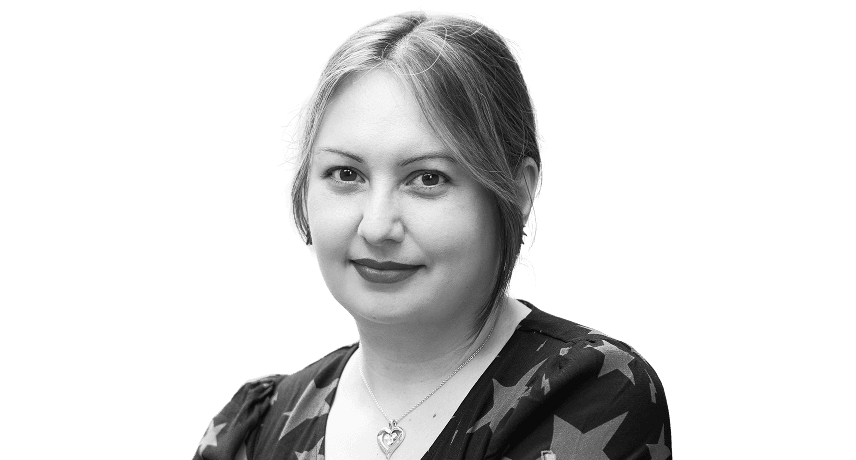
Hello, and welcome to The Digital Lighthouse, where we get inspiration from tech leaders to help us navigate the exciting and ever-evolving world of digital transformation. I'm Zoe Cunningham. We believe that meaningful conversations can illuminate the path forward, helping us to harness the power of technology for innovation, scalability, and sustainability.
00.24 - 01.09 [Zoe Cunningham]
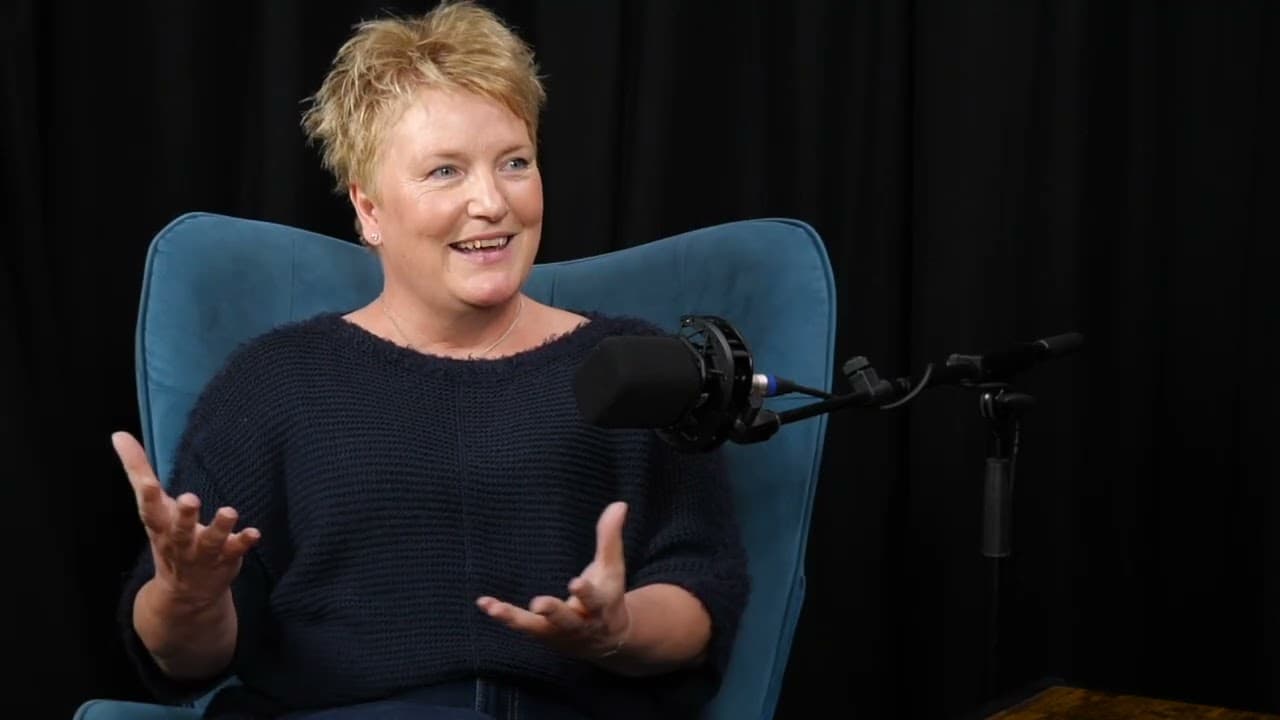
In this episode, I'm delighted to introduce Melissa Tallack, an expert with over 30 years working in the water industry, including as the head of data and digital at Anglian Water. Melissa has undertaken a wide range of roles, including operations, scientific, engineering, asset management, change, and data and technology, resulting in a broad and deep understanding of the sector. Melissa is currently co-leading the transformative and collaborative Stream initiative, which has established and operates data-sharing infrastructure to unlock the power of water data to realize value for customers, society, and the environment.
01.10 - 01.28 [Zoe Cunningham]
In this episode, we'll be exploring why open data initiatives for our public utilities are so essential, and how we can overcome the challenges and complexities of working within a highly regulated and essential service to deliver on this. So, Melissa, welcome to The Digital Lighthouse.
01.28 - 01.29 [Melissa Tallack]
Thank you for having me.
01.29 - 01.33 [Zoe Cunningham]
Can you tell us a bit about the journey that led you to where you are today?
01.34 - 02.01 [Melissa Tallack]
Okay. [chuckles] So, when I left university, I knew I wanted to do something with water. It was a bit of a sliding doors moment. I could have gone off down to the National Rivers Authority that then became the Environment Agency, or I could have gone into a water company. Yeah, frankly, what tipped it for me to go down the water company route was my mum was doing a evening class with somebody who worked at a water company and that was the clincher.
02.01 - 02.03 [Zoe Cunningham]
That's how it happens, isn't it, when you're young? Yeah.
02.03 - 02.13 [Melissa Tallack]
But it was a kind of an interesting dilemma at that age to sort of like, which direction do I want to go in? I just knew I wanted to work in the world of water.
02.13 - 02.17 [Zoe Cunningham]
Mm. And then you've now been in the water industry your whole career.
02.17 - 02.17 [Melissa Tallack]
Yeah.
02.17 - 02.20 [Zoe Cunningham]
Are there any kind of highlights from that time?
02.20 - 02.51 [Melissa Tallack]
Do you know what? I count myself as really fortunate to have been able to experience quite a lot of different roles within a water company. From frontline operations, to asset management, to scientific, to most latterly, into data and digital. And actually, being able to grow up through in a water company enables you to have a different perspective when you're in the world of data and digital, to try and solve some of the challenges you faced when you were on the front line.
02.51 - 02.51 [Zoe Cunningham]
Yes.
02.51 - 03.07 [Melissa Tallack]
And so putting data into the hands of people when they need it the most, where they need it. So it was, yeah, it was a good journey through a water company that enabled me to really solve some real challenges through data and digital.
03.07 - 03.09 [Zoe Cunningham]
Brilliant. Well, we'll come onto that.
03.09 - 03.10 [Melissa Tallack]
Okay. [laughs]
03.10 - 03.16 [Zoe Cunningham]
Well, and something we talk about a lot is the importance of context when you're building a digital system, right?
03.16 - 03.16 [Melissa Tallack]
Yeah.
03.16 - 03.29 [Zoe Cunningham]
And actually, all of those small bits of knowledge that people in the organisation often have but not the digital team. So if you're bringing that to the role that's obviously a huge asset.
03.29 - 03.29 [Melissa Tallack]
Yes.
03.29 - 03.39 [Zoe Cunningham]
And the other advantage that you have is obviously having worked in the same industry for such a long time you've got the kind of knowledge of the history.
03.39 - 03.39 [Melissa Tallack]
Yeah.
03.39 - 03.55 [Zoe Cunningham]
So how would you say the state of data and digital has been, going back even 30 years? Has it been a journey where things have been quick to modernise, or have there been challenges in adoption or even understanding what you can do?
03.55 - 04.22 [Melissa Tallack]
Yeah. You have to remember, when I came into the industry, it was off the back of privatization, so it was when the water authorities became water companies. And yeah, the level of digital enablement in those days was very, very low. We didn't even have email. [chuckles] Mobile phones weren't a thing. And being out in the field, you'd have to carry a case full of paper maps of where the assets were. You couldn't look anything up.
04.22 - 04.22 [Zoe Cunningham]
Wow.
04.22 - 04.41 [Melissa Tallack]
So, it was very, very low tech when I first came into the industry. And then obviously over time, different sort of technology softwares, platforms, et cetera, came in. So, I guess to go to your question about, is it quick to adopt? I'd say, if I was marking its homework, I'd say-
04.41 - 04.41 [Zoe Cunningham]
[laughs]
04.41 - 04.43 [Melissa Tallack]
... probably could do better.
04.44 - 04.50 [Zoe Cunningham]
But yet, we still are kind of where we're at today. There's always some progress, right?
04.50 - 05.04 [Melissa Tallack]
Yes, that's right. Yeah, and I think it's kind of like the pace of change. That's the difference. So back in sort of like the early '90s, post-privatization, the pace of change was very different to the pace that we experience now.
05.04 - 05.23 [Zoe Cunningham]
Yeah. Do you think there's anything specific, because I talk to guests from kind of all different sectors, which kind of each have their own unique challenges. What do you think are the specific challenges for the water industry when it comes to digital adoption?
05.23 - 05.25 [Melissa Tallack]
It's not the tech. It's the people.
05.25 - 05.26 [Zoe Cunningham]
Right.
05.26 - 05.30 [Melissa Tallack]
All of this, and it'll be common across, doesn't matter what sector you're in.
05.30 - 05.31 [Zoe Cunningham]
Yeah.
05.31 - 05.57 [Melissa Tallack]
It's a people challenge as much as it is a technology challenge. It depends on leadership. It depends on the prevailing culture of your organisation. And it depends on capability. And it's kind of like if you're missing some of those ingredients, it can make or break your stance towards the adoption of technology. The people element of tech is so, so important.
05.57 - 06.10 [Zoe Cunningham]
Mm. And you're always gonna be missing some... right? Because we kind of have this idea of like, "Oh, you're a leader," or, "You're an emerging leader," and say, "Now you need to have these skills." But of course, we're actually all individual human beings as well.
06.10 - 06.10 [Melissa Tallack]
Yeah.
06.10 - 06.21 [Zoe Cunningham]
With strengths and weaknesses in different areas. So I guess sometimes it's also about how well those gaps fit together and whether you have people who can kind of cover for each other.
06.21 - 06.48 [Melissa Tallack]
Yeah. That's right. And I think this is why it comes back to culture, is like if new people kind of join the industry with those fresh perspectives and that curiosity, if the culture stifles those people coming in with the right capabilities and outlook and curiosity, that can be a bit of a problem. And often culture is the thing that you don't necessarily see at work.
06.48 - 06.48 [Zoe Cunningham]
Yeah.
06.49 - 07.04 [Melissa Tallack]
So it's really important to be aware of it and it's like leadership. Is the leadership saying, "How can we enable this?" Or are they kind of standing in the way of progress? And being aware of that as a leader, I think is really important.
07.04 - 07.24 [Zoe Cunningham]
I think also just kind of tying it in with looking back to like where we've come from, I do think it's a challenge for organizations that have been around for longer that your culture is very much set at a time when, like you say, the challenges were different, the technology was different.
07.25 - 07.31 [Zoe Cunningham]
So actually, the culture needs to change, and changing culture is different from-
07.31 - 07.31 [Melissa Tallack]
Totally
07.31 - 07.45 [Zoe Cunningham]
... and harder than just establishing a new culture where you're like "Okay, great. We're tech first. Off we go." You kind of have to get there, like you say, with the people who were part of the old, you know-
07.45 - 07.45 [Melissa Tallack]
That's right. Yeah
07.45 - 07.49 [Zoe Cunningham]
... that was their formative experience.
07.49 - 07.50 [Melissa Tallack]
Yeah, indeed. Yeah.
07.50 - 08.01 [Zoe Cunningham]
Okay. So out of all this, we have the 'Stream' initiative which you are the co-lead on. So, just to start with, is that an acronym for?
08.01 - 08.06 [Melissa Tallack]
[chuckles] It's funny you should ask that, because if you asked AI it would hallucinate and say it was an acronym.
08.06 - 08.07 [Zoe Cunningham]
Right. Yes.
08.07 - 08.16 [Melissa Tallack]
Which just tells the story of why you should treat with caution any answer from AI. No, it doesn't stand for anything.
08.16 - 08.17 [Zoe Cunningham]
Yeah.
08.17 - 08.25 [Melissa Tallack]
Sometimes people capitalize it... and it isn't capitals. It's not an acronym. We should probably get some T-shirts saying, "STREAM is not an acronym."
08.25 - 08.25 [Zoe Cunningham]
[laughs]
08.25 - 08.35 [Melissa Tallack]
But it doesn't stand for anything in that sense. It just alludes to the fact that it's streams of data. That's why we chose the name.
08.35 - 08.37 [Zoe Cunningham]
Yeah. And I guess you have streams of water as well, don't you?
08.37 - 08.40 [Melissa Tallack]
Exactly. Well, we love a water analogy, obviously.
08.40 - 08.43 [Zoe Cunningham]
[laughs] So tell me about what it is then.
08.43 - 09.32 [Melissa Tallack]
So it started as a collaboration project between a number of water companies who were each thinking around that they wanted to embrace open data. Certainly, when I was head of data and digital in a water company, it was something I was looking at as a natural evolution from having opened up data within the company. So put more data into more people's hands. The natural extension was putting that data into people outside of the organization to drive innovation. So here's our challenges. Here's some data to play with and tell us what you find and tell us what you build as products and services off the back of that. So there were a couple of, well, more than a couple, a handful of water companies kind of thinking the same thing at the same time. Came toget her, agreed it was something that was better done together as an industry.
09.32 - 09.32 [Zoe Cunningham]
Like collectively.
09.32 - 09.44 [Melissa Tallack]
Yeah. Because if you put yourself in the shoes of a data user, you don't want to go to 18 different places to scour for data that's being published openly. You want to kind of go to one place.
09.44 - 09.47 [Zoe Cunningham]
Well, and you've got all the challenges of, you want the data to be in the same format.
09.47 - 09.49 [Melissa Tallack]
Conformed. Yeah, exactly. Yeah.
09.49 - 09.55 [Zoe Cunningham]
You don't want to be translating from... "Oh, we've got this field from these people... but we haven't got that information." "So now we can pro..."
09.55 - 09.56 [Melissa Tallack]
100%.
09.56 - 09.56 [Zoe Cunningham]
Yeah.
09.56 - 10.22 [Melissa Tallack]
And that was the other challenge we were trying to avoid, is the am I looking at the same data published by different companies? And to have been able to join that data, do I have to do a lot of pre-processing on that data? So we were just looking at sort of how can we reduce all of those sort of maybe small friction points in people's lives. But if you want people to generate value from the data, you've got to make their lives as easy as possible, the path of least resistance. So-
10.22 - 10.23 [Zoe Cunningham]
Right. Exactly
10.23 - 10.28 [Melissa Tallack]
... that's kind of why we came together, and we operate in a pre-competitive space.
10.28 - 10.28 [Zoe Cunningham]
Okay.
10.28 - 10.53 [Melissa Tallack]
So it's like the collaboration is really important. We're all working together, and actually, because we've all worked together, we've been able to share best practice across the industry as well, too. And we say the rising tide lifts all boats. Everybody's benefited from that because we have a philosophy of bring and give what you can and take what you need in terms of best practice and guidance.
10.53 - 10.57 [Zoe Cunningham]
Right. And then you're also getting that consistency kind of almost as a byproduct-
10.57 - 10.57 [Melissa Tallack]
Yeah. That's right. Yeah
10.57 - 11.02 [Zoe Cunningham]
... because someone's saying, "Well, we did it this way," and you're like, "Oh, that's a great idea." "Let's do that as well."
11.02 - 11.24 [Melissa Tallack]
Yeah. We have quite frequent knowledge shares where we might... it might be within an industry discussion, so how are you doing this? How are you assessing your own open data maturity? Or something like that. But we'll also bring in outside in speakers, so people who have done it in rail, people who have done it in energy. And say, "And how did you do it?" So we learn from others, not just amongst ourselves.
11.24 - 11.27 [Zoe Cunningham]
Yeah. Because there's common challenges
11.27 - 11.28 [Melissa Tallack]
Yeah. The data is data
11.28 - 11.29 [Zoe Cunningham]
In-- right.
11.29 - 11.30 [Melissa Tallack]
Yeah.
11.30 - 11.35 [Zoe Cunningham]
Like you say, it's about a kind of incremental process of keeping opening it up.
11.35 - 11.35 [Melissa Tallack]
Yes.
11.35 - 11.44 [Zoe Cunningham]
Like you kind of... And this is true for a lot of organisations, right? That you kind of actually start with these silos within your own organisation. And you need to kind of break those down-
11.44 - 11.44 [Melissa Tallack]
That's right. Yeah
11.44 - 11.53 [Zoe Cunningham]
... and share the information. But then within an industry there's data that actually then cross-industry. There's so much opportunity to share and learn-
11.53 - 11.54 [Melissa Tallack]
100%
11.54 - 11.55 [Zoe Cunningham]
... and find new ways of doing things.
11.55 - 12.29 [Melissa Tallack]
That's really where the real potential lies is, like you say, it's kind of like layers of an onion. The in-company silos, the intra, you know industry silos, and then the cross-sector silos. And actually, really, our real world is an interconnected system of systems. So if our data isn't operating in that way, then we're not truly reflecting the complexity of our real world. So some of our challenges require data from multiple places to come together to generate insight and change.
12.29 - 12.43 [Zoe Cunningham]
Yes, because it's actually something where, as a user of water services, which we all are, it can actually be deceptively simple. You know, it feels deceptively simple to me. Like my whole life, my interaction with water has been, I turn on the tap and-
12.43 - 12.44 [Melissa Tallack]
Yeah. [laughs] That's right
12.44 - 12.45 [Zoe Cunningham]
... boom, there's water.
12.45 - 12.46 [Melissa Tallack]
Yeah. [laughs]
12.46 - 12.46 [Zoe Cunningham]
So it's e-
12.46 - 12.47 [Melissa Tallack]
Aren't we lucky?
12.47 - 12.57 [Zoe Cunningham]
Yeah. [laughs] Right. Well, very much so. And also, it's just understandable then how easy it is for people who don't know about the water industry to misunderstand the complexity of it.
12.57 - 13.14 [Melissa Tallack]
Yeah. Yeah. I mean, there's an awful lot, too, from taking water from the environment and creating a wholesome product from that raw... that raw water. And taking it away again, you know, and cleaning it up and putting it back into the environment, back into the water cycle.
13.14 - 13.21 [Zoe Cunningham]
We've kind of broadly covered the aims of Stream. Are there any specific aims? Have you got any kind of targets or...?
13.21 - 13.48 [Melissa Tallack]
So I mean, really it's all about unlocking value. So, you know, our vision is to unlock the value of water data, so water sector data, not just water industry data so water sector data to benefit customer, society, and the environment. And that's a pretty broad remit in that sense. But we keep focused on value generation because, you know, we can publish data for data's sake, but actually that has a cost to it.
13.48 - 13.48 [Zoe Cunningham]
Yeah.
13.48 - 14.05 [Melissa Tallack]
And so we have to be... There has to be a trade-off in that. So it's like what value is being generated from publishing that data? Which is why we use use cases as a way, as a vehicle to say, "If we do this, this value could be generated by X, Y, and Z." So we have a... We publish with purpose.
14.05 - 14.06 [Zoe Cunningham]
Yeah.
14.06 - 14.25 [Melissa Tallack]
And then we also are interested in hearing stories, and we seek out stories of how people have taken that data and generated value as a result of it. Be that in the world of research, be that in the world of new products and service development that can then go back into the industry to help improve performance or for more public good.
14.25 - 14.26 [Zoe Cunningham]
Yes.
14.26 - 14.51 [Melissa Tallack]
And so we track, we close the loop, we track the stories of how people have converted that data. And it never fails to surprise me. And I love hearing stories of how people have used the data in ways that we perhaps never even conceived that they might use it. And we make sure we document them, and we share those stories with everybody because that generates that kind of, "Well, I want to do more because I want to generate more value like that."
14.51 - 14.57 [Zoe Cunningham]
And it's kind of one thing that in some ways you feel like, "Oh, well we'll build it. You know, build it and they will come-"
14.57 - 14.57 [Melissa Tallack]
[laughs]
14.57 - 15.06 [Zoe Cunningham]
"... and people will be inspired, and they'll have new ideas." And of course, you don't want to say, "This is the only way to do it." But actually sometimes without that, it's another form of knowledge sharing, isn't it?
15.06 - 15.06 [Melissa Tallack]
Yeah.
15.06 - 15.13 [Zoe Cunningham]
To say, "This is how others have used it." And that can often be an easier way in to go, "Oh, actually-"
15.13 - 15.13 [Melissa Tallack]
That's right. It sparks.
15.13 - 15.13 [Zoe Cunningham]
Yes.
15.13 - 15.18 [Melissa Tallack]
Yeah. It sparks another use. Yeah, definitely. We've definitely seen that.
15.18 - 15.25 [Zoe Cunningham]
So you're clearly managing a very broad group of stakeholders from all kinds of different places.
15.25 - 15.25 [Melissa Tallack]
Yeah.
15.25 - 15.34 [Zoe Cunningham]
Do you have to break this down? Do you have kind of ways you think about categorizing all your stakeholders or kind of maps internally for who they all are?
15.34 - 15.45 [Melissa Tallack]
Yeah. [laughs] Yes. Yes. As you might imagine, we do. We put a lot of effort into what we call community management and understanding who are the users. It's very easy to identify who are the publishers.
15.45 - 15.46 [Zoe Cunningham]
Yes.
15.46 - 16.06 [Melissa Tallack]
Well, usually it's very easy to identify that, but it's who stands to benefit from access or better access to data. So we do categorize our community. They're like a self-selecting community as well because we have things like our LinkedIn channel and our website, and we try to get to know our community of users. So we'll have research and academia.
16.06 - 16.07 [Zoe Cunningham]
Yeah.
16.07 - 16.34 [Melissa Tallack]
We'll have private industry, government, regulators. Water companies themselves are also consumers of the data. That's one of the nice sort of side benefits, that actually when you're publishing data from a water company, the people who benefit most often are the people in the water company themselves. Different parts of the water company can get access to not just their data but other data from across the industry.
16.34 - 16.49 [Melissa Tallack]
So yes, we do look at that. We call it our data ecosystem. And we put a lot of effort into that because it, again, it's all about people. So if, again, if we can understand motivations, needs, then we can make sure we're meeting those needs.
16.49 - 16.50 [Zoe Cunningham]
Right. You're serving it-
16.50 - 16.50 [Melissa Tallack]
Yeah. Yeah
16.50 - 16.52 [Zoe Cunningham]
... and yeah, delivering what people need.
16.52 - 16.58 [Melissa Tallack]
Because they're the people who convert the data to value. So we have to look after them.
16.58 - 17.01 [Zoe Cunningham]
I just love how many times you've used the word value-
17.01 - 17.01 [Melissa Tallack]
[laughs]
17.01 - 17.11 [Zoe Cunningham]
... in this conversation because I think in all of the best tech conversations, that is the key word and the key thing to be thinking about.
17.11 - 17.11 [Melissa Tallack]
Yeah.
17.11 - 17.19 [Zoe Cunningham]
And I also love the idea that perhaps, this was an experimental idea by the water companies and like, wouldn't it be great if..?
17.19 - 17.20 [Melissa Tallack]
Yeah.
17.20 - 17.32 [Zoe Cunningham]
But now that it's up and running, you can actually say, "Well, what are we putting in, and what value are we getting out?" And actually seeing that once you start, there's this kind of win-win idea that actually you can get more out than you put in.
17.32 - 17.37 [Melissa Tallack]
Yeah, definitely. But one thing we've learnt along the way is patience.
17.37 - 17.37 [Zoe Cunningham]
Mm-hmm.
17.37 - 18.05 [Melissa Tallack]
Because there is a time lag between you putting data, publishing data openly, people picking it up, understanding it, using it, accessing it, and creating value. There's actually sometimes quite a lag in the rest of that value chain. Because that value chain only completes when a different action is taken off the back of whatever somebody has done. So a different decision got made or a different process is enabled.
18.05 - 18.05 [Zoe Cunningham]
Mm-hmm.
18.05 - 18.19 [Melissa Tallack]
So it can be quite a lag between the first act of publishing that and somebody picking it up and doing and generating value. So we have to learn patience with that. It's not an overnight thing. Click publish one day-
18.19 - 18.19 [Zoe Cunningham]
Yeah. [laughs]
18.19 - 18.19 [Melissa Tallack]
... and tomorrow they-
18.19 - 18.20 [Zoe Cunningham]
Boom.
18.20 - 18.20 [Melissa Tallack]
Yeah
18.20 - 18.21 [Zoe Cunningham]
Everything's better.
18.21 - 18.22 [Melissa Tallack]
If only.
18.22 - 18.22 [Zoe Cunningham]
[laughs]
18.22 - 18.25 [Melissa Tallack]
If only it was that quick because we are very impatient, obviously. But-
18.25 - 18.26 [Zoe Cunningham]
Well, it is tough
18.26 - 18.26 [Melissa Tallack]
Yeah
18.26 - 18.33 [Zoe Cunningham]
But, and also, I can imagine that you kind of say the point of change is when someone makes a different decision.
18.33 - 18.33 [Melissa Tallack]
Yeah. Yeah.
18.33 - 18.36 [Zoe Cunningham]
But then the impact of that decision takes time as well.
18.36 - 18.37 [Melissa Tallack]
It does. It takes-
18.37 - 18.43 [Zoe Cunningham]
Actually, if someone's changing how something's structured, it really actually could be a very long process.
18.43 - 18.50 [Melissa Tallack]
Yeah. And sometimes the path to that value is bumpy as well. You have to acknowledge that because it's change.
18.50 - 19.06 [Zoe Cunningham]
Yes. What kind of specific initiatives are you running or are ongoing, that you get involved with that maybe might be of interest to people who are watching the podcast, or in the industry or in other industries wanting to learn from what you're doing?
19.06 - 19.35 [Melissa Tallack]
Yeah. I suppose one of the things that we're planning on working on or are in the process of working on, that excites me personally, being a scientist by training, is citizen science data. And the huge, huge untapped potential of that data that is currently distributed and fragmented is a classic data silo challenge times about 100,000. You know?
19.35 - 19.35 [Zoe Cunningham]
Right.
19.35 - 19.45 [Melissa Tallack]
It's huge. The citizen science movement in the UK is, we're in the top three in the world for the number of active citizen scientists.
19.45 - 19.45 [Zoe Cunningham]
Wow.
19.45 - 19.46 [Melissa Tallack]
Uh, yeah.
19.46 - 19.52 [Zoe Cunningham]
And just to clarify what you mean, you mean it's essentially individuals working on their own, undertaking some form of scientific research?
19.52 - 20.30 [Melissa Tallack]
Yeah, some like scientific observations. And that might be absence or presence of species. Or it might be water quality, or it might be the change in channel shape. It can be anything. It's people who are operating with an interest in the natural environment, and particularly obviously for us, the water environment doing some great work. And I just want to see their data drive change and be put to work really beyond the sort of what they do on the ground day to day. Because I think we owe it to them. [laughs] It's a lot of volunteer effort.
20.30 - 20.30 [Zoe Cunningham]
Mm-hmm.
20.30 - 20.34 [Melissa Tallack]
But the thing that excites us is it's a data challenge, right?
20.34 - 20.35 [Zoe Cunningham]
Yes. Yes.
20.35 - 20.58 [Melissa Tallack]
And some of the things we've done within the water industry, to standardize and bring data to sort of like become more accessible, findable and understandable, and join up easy. Applying all of that learning to the challenge of citizen science data for the benefit of everybody, that's really exciting, and huge potential. Can't wait.
20.58 - 20.59 [Zoe Cunningham]
Yeah.
20.59 - 21.35 [Melissa Tallack]
And then the other thing that excites me is that we see ourselves as one small node within a bigger network of data-sharing infrastructure in the UK. And going back to my point about you can't look at the world through a silo. We can't look at some of the challenges that the water sector faces just through the lens of water data. We have to look at energy and agrifood and transport and health. There's so much opportunity there too. So we're kind of setting our sights on the, I suppose, the next layer of the onion really.
21.35 - 21.58 [Zoe Cunningham]
Because again, it's kind of gone through the whole conversation, like how interconnected and how complex our modern environments are that we live in. But what benefit we get from that from these... so many people in different industries with different responsibilities and different objectives, but all of those little pieces if they're connected up correctly-
21.58 - 21.59 [Melissa Tallack]
Exactly
21.59 - 22.02 [Zoe Cunningham]
... just again, delivers such value for... Yeah.
22.02 - 23.00 [Melissa Tallack]
Yeah. So we enjoy reaching out to our peers in different parts of the UK ecosystem, be it energy or agrifood or health, like I say. And make sure that what we're doing facilitates that interoperability between those different nodes, if you like, so that data can flow. At the point at which we have a use case that says it has to bring this data together from different places that we know that that is a possibility, and that's going to be... We're thinking about that ahead of time rather than at the point in which we do it and we go, "Oh, well, we can't do it," or, "It's going to take another 12 months, 18 months." So it's important. And then we feel it's a duty as a node within that network to make sure that the decisions we're making about trust frameworks, about data standards... technical standards, mean that we can join up without friction.
23.00 - 23.17 [Zoe Cunningham]
And I guess there you're kind of fitting in with not just the water industry and maybe other utilities or other public sector organisations, but actually with the tech industry and the open data movements-
23.17 - 23.17 [Melissa Tallack]
Mm-hmm, yeah
23.17 - 23.22 [Zoe Cunningham]
... and things like that. Would you say there's kind of learnings from there as well that you're taking on board?
23.22 - 23.46 [Melissa Tallack]
Yeah. We take learning from everywhere. And not even just in the UK. Some of our initial inspiration came from Canada and America and Australia. We look anywhere for... South Korea... how they've done public open data. We look anywhere for inspiration, and we would much rather learn from someone else than have to figure it out.
23.46 - 23.47 [Zoe Cunningham]
Yeah, right. [laughs]
23.47 - 23.58 [Melissa Tallack]
Yeah. It's how we've been able to move fast because we don't believe we have to invent everything. We can adopt and adapt for our circumstances.
23.58 - 24.02 [Zoe Cunningham]
Brilliant. And so where can people go to find out more information?
24.02 - 24.36 [Melissa Tallack]
So they can follow us on LinkedIn... Stream Unlocking Water Data. They have a channel on LinkedIn, and we post regularly sort of what we're up to and things that we're doing or have done, tell some stories. And then we have our website, which is www.streamwaterdata.co.uk. People can go and have a look at the website. Go and see what data is on the data portal. Can't find what you want, what you're looking for, there's a way to contact us, the feedback form. Tell us what you're trying to do and what you need, and then we'll go from there.
24.36 - 24.43 [Zoe Cunningham]
That is fantastic. Well, thank you so much, Melissa, for joining us on The Digital Lighthouse and helping us to shine a light for others.
24.43 - 24.44 [Melissa Tallack]
Thank you.
24.44 - 25.01 [Zoe Cunningham]
[upbeat music] This Digital Lighthouse episode was edited by Steve Folland and produced by Patrick Anderson. The theme music was written and recorded by Ben Baylow. A huge thanks to our sponsor, Softwire, for their continuing support from the inception of the show in 2019 to the present day.
25.02 - 25.43 [Zoe Cunningham]
If you love the podcast, please let us know with a rating and review on your platform of choice. We're always looking for feedback to ensure we're making the best show possible. And if you'd like to take part, please drop us a line at thedigitallighthouse@softwire.com. You've been listening to The Digital Lighthouse with me, Zoe Cunningham. Thank you for sharing your time with us, and stay safe on this wild technological ride that we're all on.